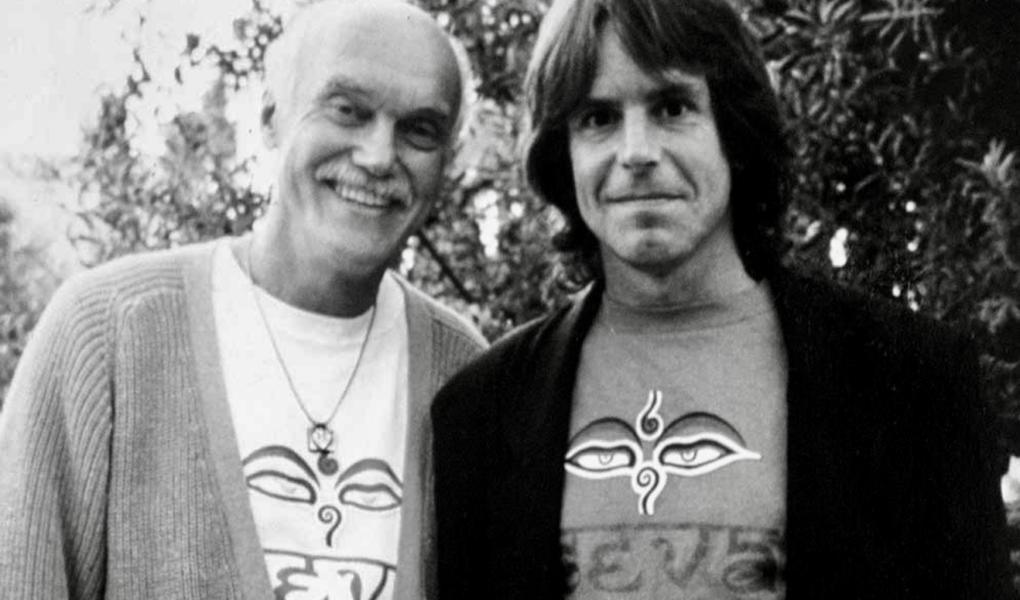
[Above, Ram Dass and Bob Weir in their SEVA T-shirts, courtesy of SEVA; All photos below by Steve Heilig; ]
“Longevity was never a major concern of ours. Lighting folks up and spreading joy through the music was all we really had in mind.” – Bob Weir
It has become common, when somebody widely famed, respected, even beloved dies, to say “How lucky we were to be alive at the same time in history as ____.” I’ve heard that a fair bit since Bob Weir died in January, and it rings true for more reasons than just musical. Many were shocked by his passing, but for me the Golden Gate Park “Dead and Company” shows last summer did feel like a farewell for him, as from what I saw he seemed very frail. Rumor then was that he’d had emergency dental surgery just before the shows but we now know he’d just been diagnosed with cancer. I’d wager he went on his own terms, like he’d lived his life.
My favorite memories of Weir – beyond some stellar long-ago shows, of course – were from when I was a volunteer with the SEVA blindness project long ago. He was really an unofficial lead SEVA fund-raiser – along with board members Ram Dass and Wavy Gravy – lending the Dead’s huge presence and endorsement, and sometimes an “Eye Ball” benefit show too. The word “Seva” basically translates to “service with a smile” and that’s something Weir brought to the work.
It was fun to hang with him, with quick funny encounters. The one time I thanked him for his invaluable support, he kinda shrugged and said “Well, if can help more people be blind anywhere, why the hell not?” I couldn’t help but chuckle and replied “Right, but, you mean LESS people I think.” “Yes that too, depending on what night it is” he laughed. With SEVA, and some other philanthropic work I witnessed that he was involved in, such as a large AIDS benefit when that disease first struck, he just tried to get good things done, without a lot of preaching or seeking credit.
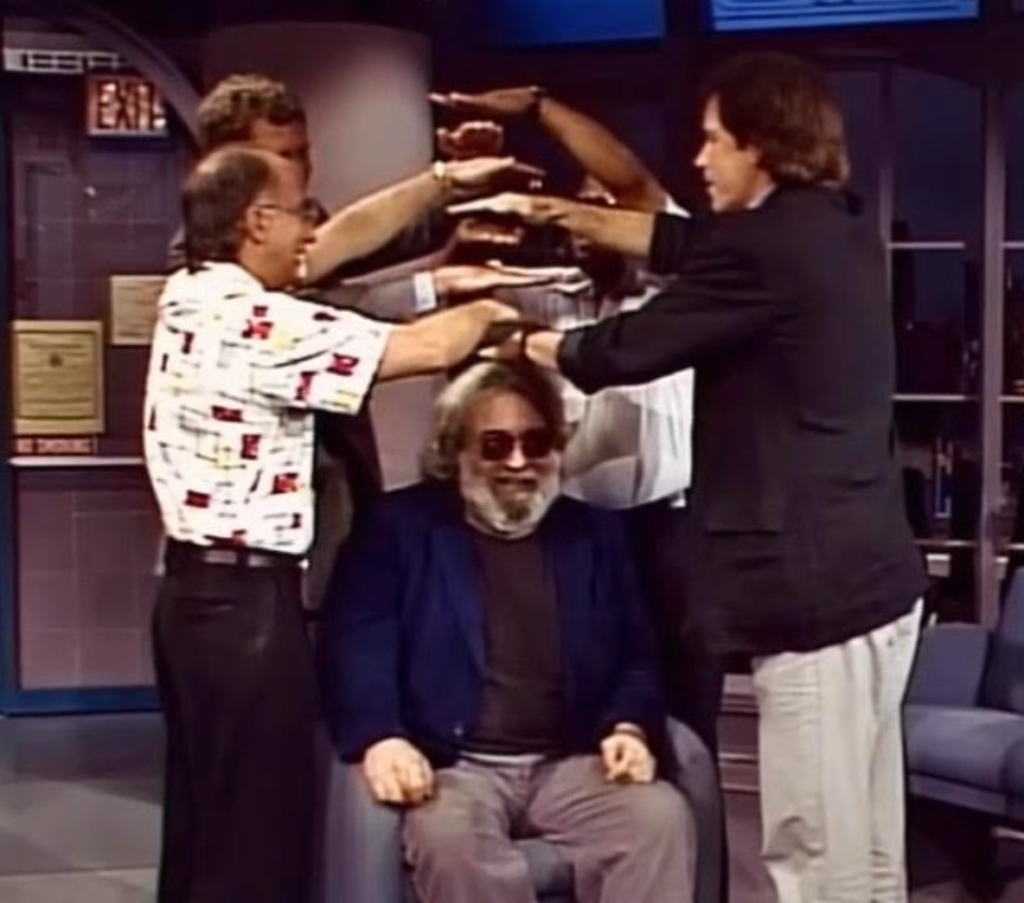
He’d not want or demand any halls or ballrooms or organizations named after him – Bob Weir didn’t suffer from “Edifice Complex,” even though his obituary appeared on the front page of the New York Times. The New Yorker called him “the holy fool of the Grateful Dead,” and that seems to fit. On a David Letterman show, you can watch him recruit a few others to “levitate” a bemused Jerry Garcia. Would Garcia have allowed anyone else to do that? I doubt it. As Weir reported, Garcia’s last words to him after Garcia’s final show were “Always a hoot, always a hoot.”
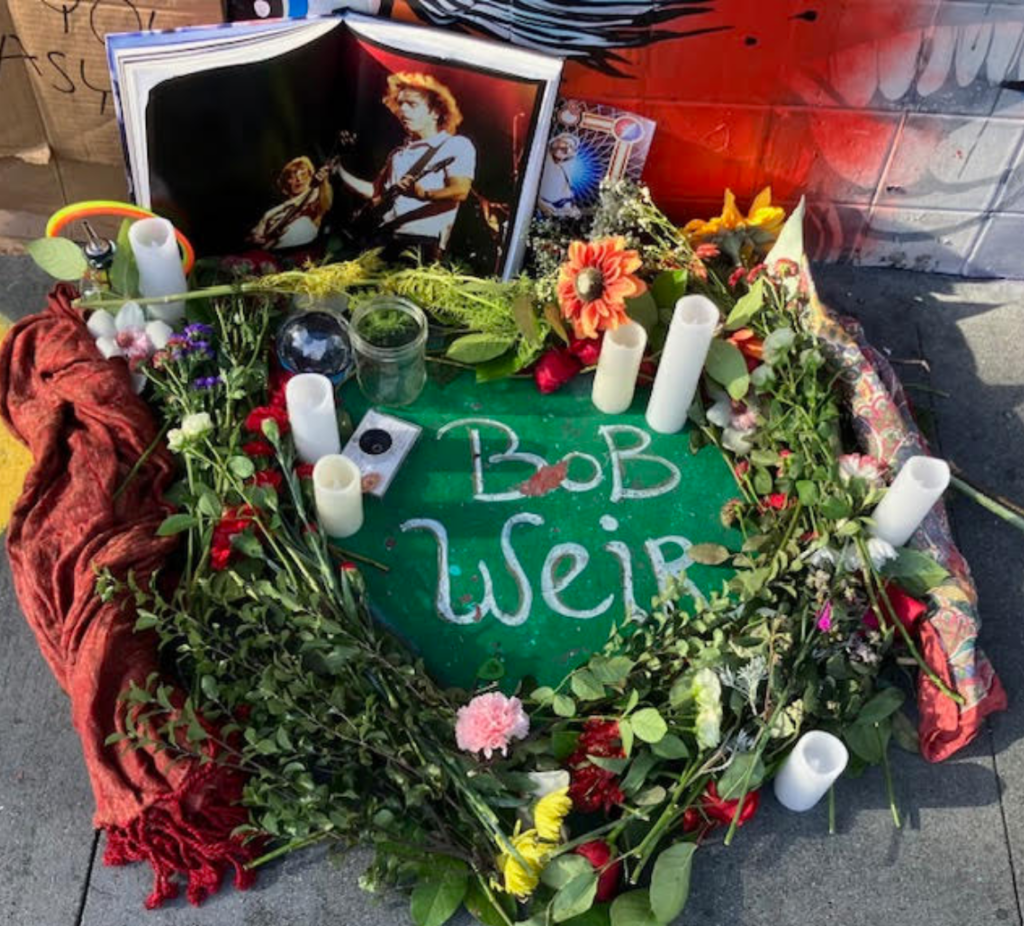
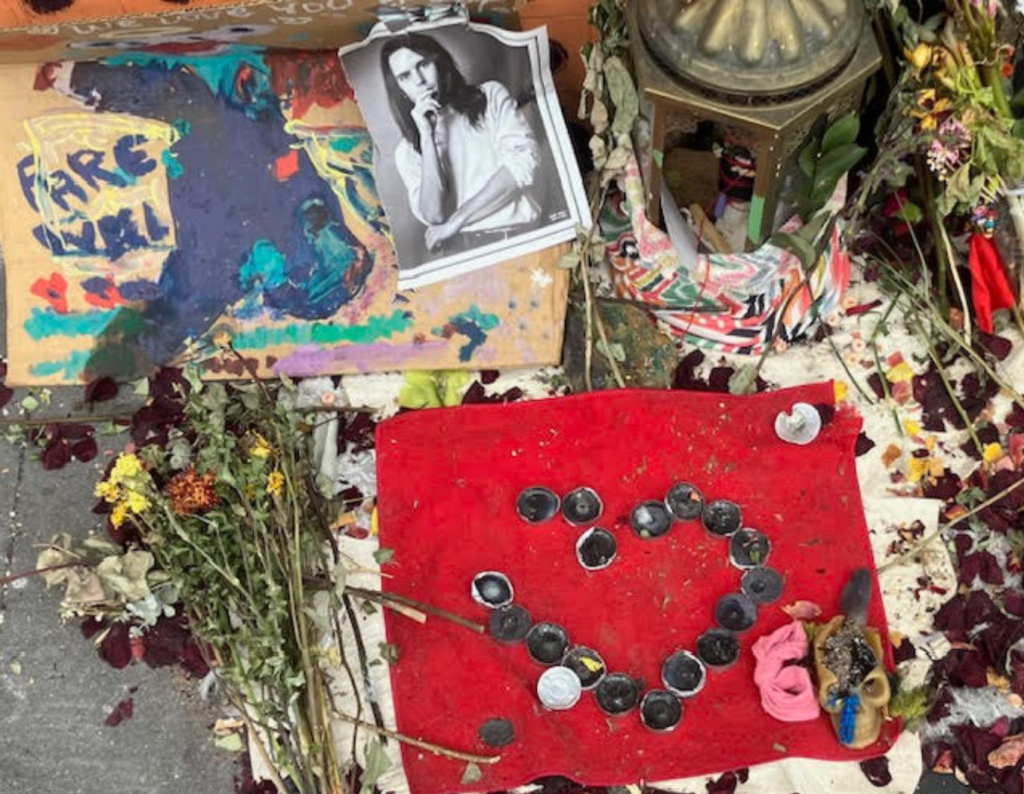
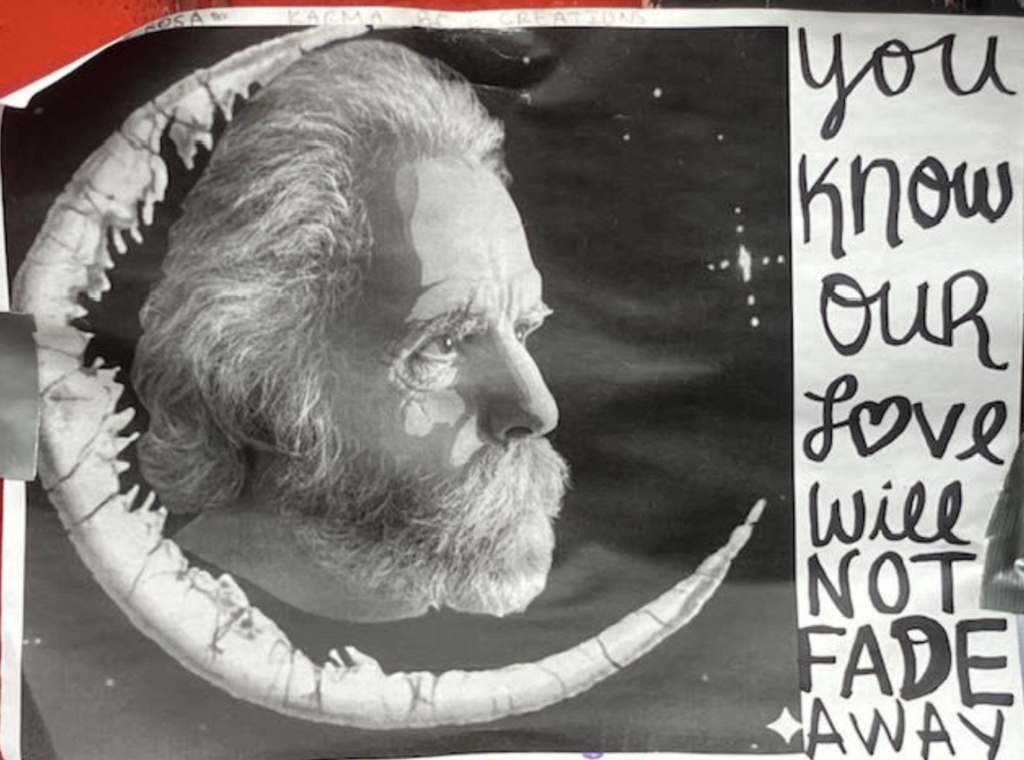
Since Weir died the Haight has been a center of memorialization and celebration of his life, via little sidewalk shrines, music playing from shops and vehicles, and especially, live bands on the street. It’s been lovely to hear live Dead songs – almost all from their 1970s heyday – with big crowds including three generations, singing along in tribute. No doubt Weir would approve. His remarks on mortality are prime examples of someone who had thought about it deeply and come up with an outlook not dogmatic but truly spiritual, maybe most in line with how Buddhists view this fleeting existence of ours. “I tend to think of death as the last and best reward for a life well lived… death is where the adventure starts as far as I can see“ he said, calling death a “liberation.” As the Buddha himself might have said, or in fact, did.
Musically, of course, what he, and he previously departed partners in the Dead, have left behind them is immense, and revered. From almost being fired early on for not quite measuring up to becoming the band’s showman front man, his role was central. Weir spoke of a “three-hundred-year legacy,” feeling/hoping that the music and spirit of the Dead would continue. So far that vision seems assured. Personally, I was never a true Deadhead, never wore tie-dye, and was fairly selective in the songs, recordings, shows and era that I felt lived up to their revered status. A few of those tunes play between my ears regularly to this day. But then I was lucky enough as a teen to be alive and to witness them at their early peak, in 1974, first at my future college UC Santa Barbara where they used their fabled Wall of Sound to whip a giant stadium crowd into joyful mass frenzy, and a few months later when rumors of their retirement (hah) spurred friends and I to drive 450 miles up to Winterland to see them.
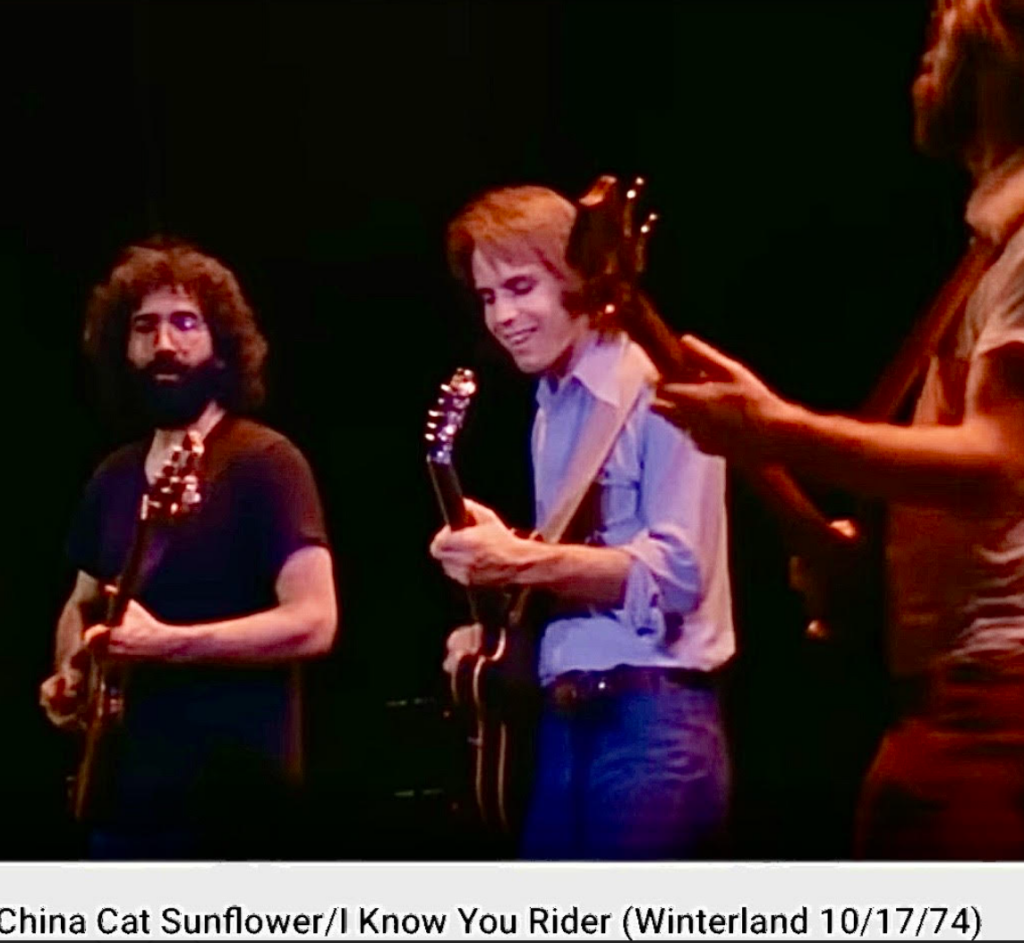
The Winterland scene of the hometown crowd of whirling beautiful older dancers and all-consuming music was overwhelming. And there were little kids dancing onstage! For years I thought maybe I’d hallucinated that until some outtakes from the movie shot of those shows at Garcia’s insistence surfaced on YouTube. The “China Cat Sunflower/I Know You Rider” medley posted there starts with dancing toddlers onstage, and shows the band at their peak. Weir, who was an utterly unique rhythm guitarist, takes what I think was his first and best lead guitar solo showcase, concentrating intently, and then they go into a bridge transition that makes him smile as broadly as I’ve ever seen him do onstage. He looks delighted, if not even surprised at what they’ve just done. It’s magic. This is the online clip I play for anyone who doubts the Dead, and the kind of playing that prompted a fair number of jazz and other musical masters to join them in creating some mysterious magic, and crazed community.
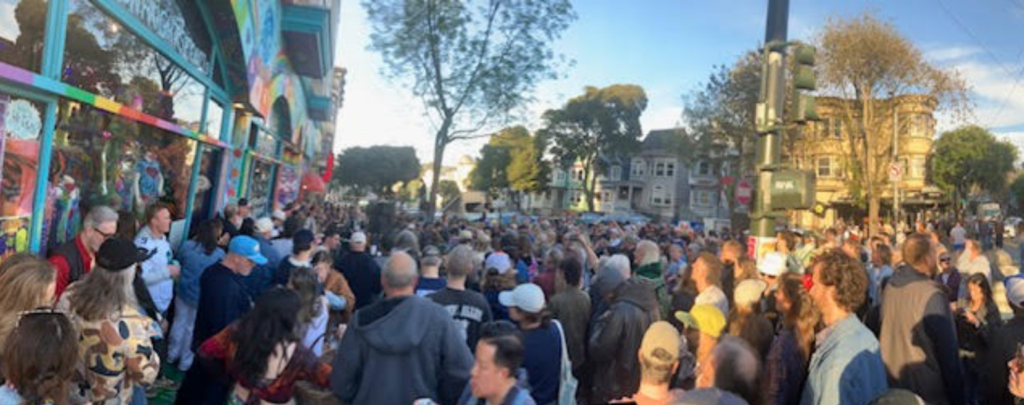
So, thank you Bob, and to your dead Dead partners, for everything. On the day of your big public memorial featuring your family, a big black tour bus with the Dead skull on the sides rolled down Haight Street, your signature cowboy-ish hat on the dashboard, an honor guard of motorcycle cops clearing the way ( I think you woulda loved that irony, having been busted just up the street in 1967). People lined Haight street, waving and cheering, yelling things like “Hail Bobby!” A woman next to me just quietly put her hand to her heart, tears running down her cheeks. Not fade away, indeed.
For those who might like to honor Bob in a way he would surely appreciate, please see: http://www.seva.org/